



The Fermentation of the Tea Drink Has a Long Tradition
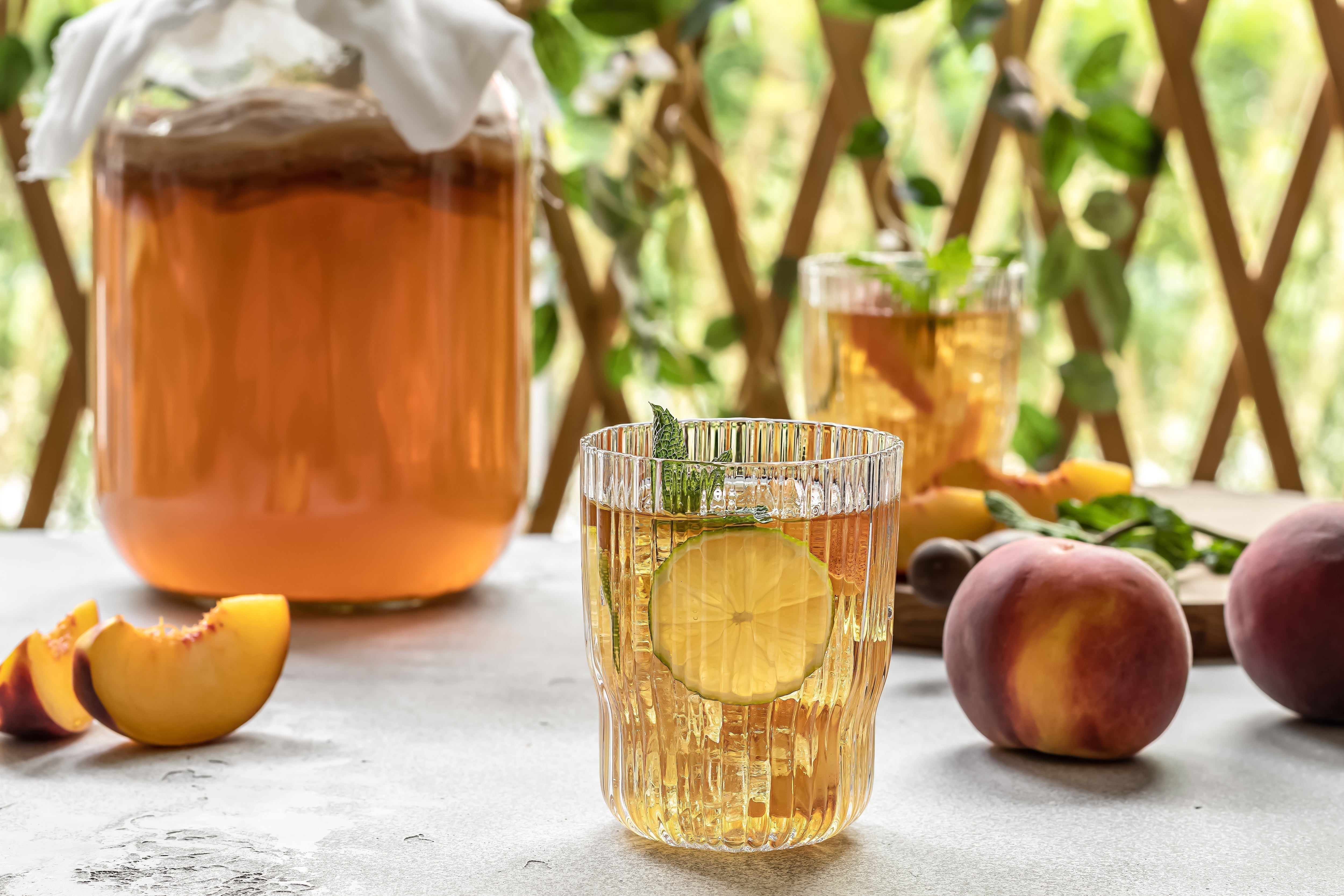
Over the last centuries, several legends and myths have accumulated around kombucha. Some even seem a little amusing. But they also show the long tradition of the drink with its unusual name and numerous characteristic ingredients.
The tea drink is not a recent fad and not an invention of modern times. According to tradition, its birthplace is most likely somewhere in East Asia, Japan, or China. For quite some time, the fermented beverage has been produced and consumed primarily in Eastern regions, from Eastern Europe to Russia and India.
Chinese Legend about Kombucha
Firstly, a Chinese legend states that the fermented tea drink was known between approximately 247 BC and 221 BC. Emperor Qin Shi Huangdi was said to have strived for immortality and commissioned an alchemist to prepare such a drink for him. According to the legend, an early form of kombucha was administered to him. Such an effect is, of course, not historically proven.

The Japanese Doctor Kombu as Namesake
However, the Japanese doctor Kombu may also be the namesake. The physician named “Kombi-ha-chimu-kamu-ki-mu” is said to have been the last hope for the dying Emperor Inyoko in 414 AD. He administered a healing drink to the emperor. According to legend, this was an earlier form of the tea drink.
Japanese Algae Tea
The name Kombucha could also be derived from a Japanese algae tea "Kombu" - algae + "Cha" - tea = "Kombucha". For centuries, a small error in tradition could have crept in, and the fermented tea now has little to do with our tea drink.
Japanese Samurai in the 10th Century
Perhaps the Japanese samurai in the 10th century AD also replenished their strength with kombucha for the next battle. According to one legend, the samurai already carried the miracle drink at their hips back then.
Today, the Tea Drink is Still Very Popular
Especially known in Russia and the Balkans. The various family recipes are well-guarded and passed down from generation to generation. Gifting a newly formed mushroom culture to another household connects people there and strengthens the community.
The personal connection to kombucha and appreciation of the special drink is evident in the countless nicknames
“Japanese Mother”, “Russian Flower”, “Jellyfish Tea”, “Hero Mushroom”, “Magic Mushroom”

There are countless loving stories about the drink, in which kombucha is repeatedly attributed with supposedly healing and vitalizing effects.
By drinking kombucha, you are upholding an ancient tradition. If you even make the drink yourself, you are imitating the ancient Japanese and Chinese and keeping the magic of kombucha alive.





Share: