


Kombucha: Shelf Life and Proper Storage of Fermented Tea
How long does kombucha last? Does kombucha need to be refrigerated, and how can you tell if it is still safe to drink? The answers depend on several factors, including whether the kombucha was made at home or industrially bottled and whether it has been pasteurized. Here you will find out what you should consider regarding the shelf life and storage of kombucha.
Unpasteurized vs. Pasteurized Kombucha
We exclusively sell unpasteurized raw kombucha. Pasteurization involves heating a beverage to reduce or inactivate microorganisms. This also affects heat-sensitive live cultures in the kombucha. Depending on the temperature and duration, individual heat-sensitive ingredients may also change. The microorganisms and nutrients contained, and in what quantities, depend on the respective product and manufacturing process.
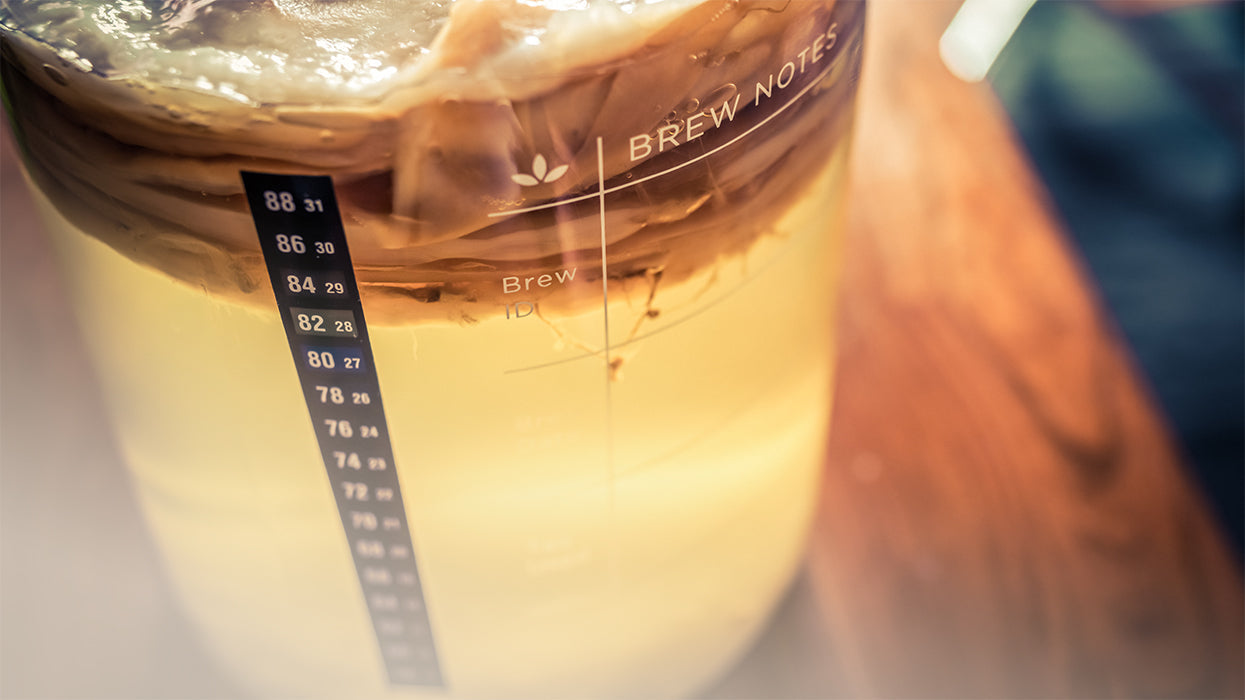
Unpasteurized kombucha contains live microorganisms from the fermentation process. These can remain active. This is why the taste may change during storage: the beverage can become more sour and develop carbonation through further fermentation. The extent of these changes depends on the recipe, temperature, and other storage conditions.
Pasteurized kombucha, on the other hand, differs microbiologically due to heat treatment. Some manufacturers deliberately add specific microorganisms after heat treatment. Whether such a product contains live cultures and what properties they have can only be assessed based on the specific product information.
How long does kombucha last if I make it myself? How should I store the fermented tea?
There is no general shelf life of, for example, nine months for homemade kombucha. It depends on several factors, including hygiene during production, acidity, fermentation time, bottling, and storage temperature. After bottling, the fermentation process in unpasteurized kombucha is not automatically stopped.
During storage, kombucha can continue to ferment, become more sour, and develop additional carbonation. This can also create pressure in the bottle. At the same time, the beverage can be contaminated by unwanted microorganisms or spoil. Therefore, a long fermentation time or a sour taste alone are not proof that the kombucha is safe.
This is how you properly store homemade kombucha:
- Store in a cool place: Store bottled, unpasteurized kombucha in the refrigerator as much as possible. Low temperatures slow down further fermentation, but do not necessarily stop it completely.
- Keep away from light: Do not place the bottles in direct sunlight or in a warm place.
- Bottle hygienically: Use thoroughly cleaned bottles and utensils to reduce the risk of contamination.
- Monitor pressure: Further fermentation can produce carbonation. Use suitable bottles and check the batch regularly. Open bottles carefully, especially if they have been stored at room temperature.
- Refrigerate after opening: Close the bottle again and store it in the refrigerator. Also follow the recommendations of the respective recipe or manufacturer.
Consistent refrigeration can slow down further fermentation. However, how long homemade kombucha remains safe and tastes good cannot be predicted in advance. Therefore, do not rely solely on a specific number of days or weeks.
How long does store-bought kombucha last?
With industrially bottled kombucha, follow the best-before date and the storage instructions on the packaging. The shelf life depends on the recipe, production, bottling, and intended storage. Therefore, it is important to follow the information provided by the respective manufacturer.
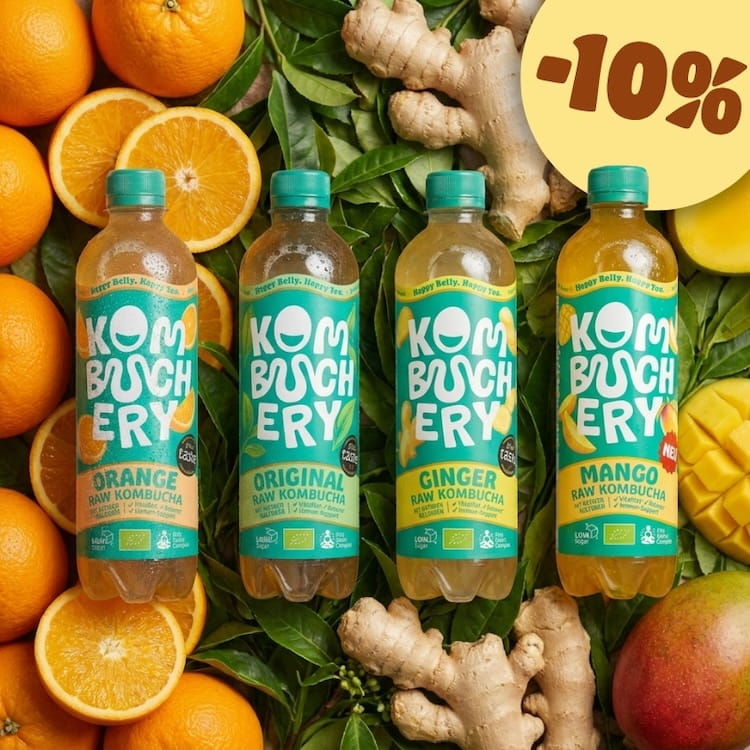
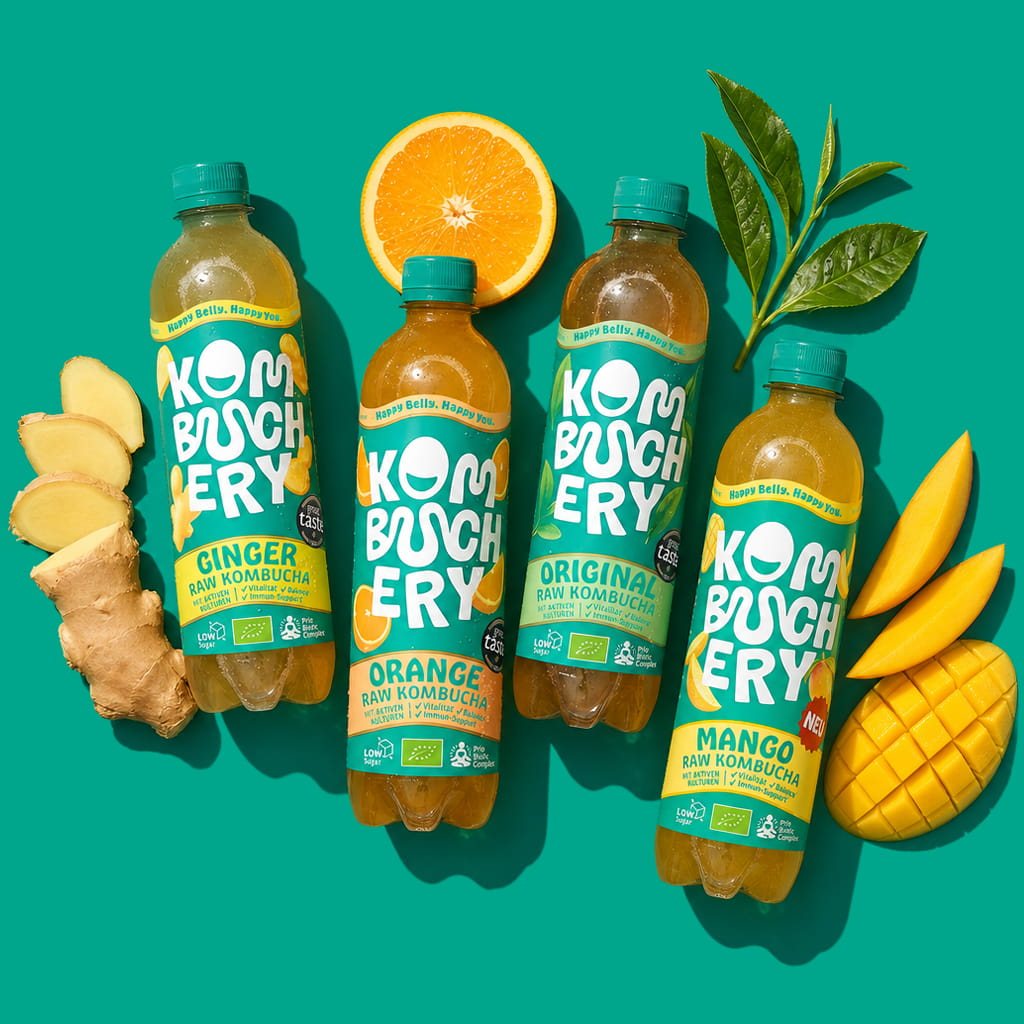
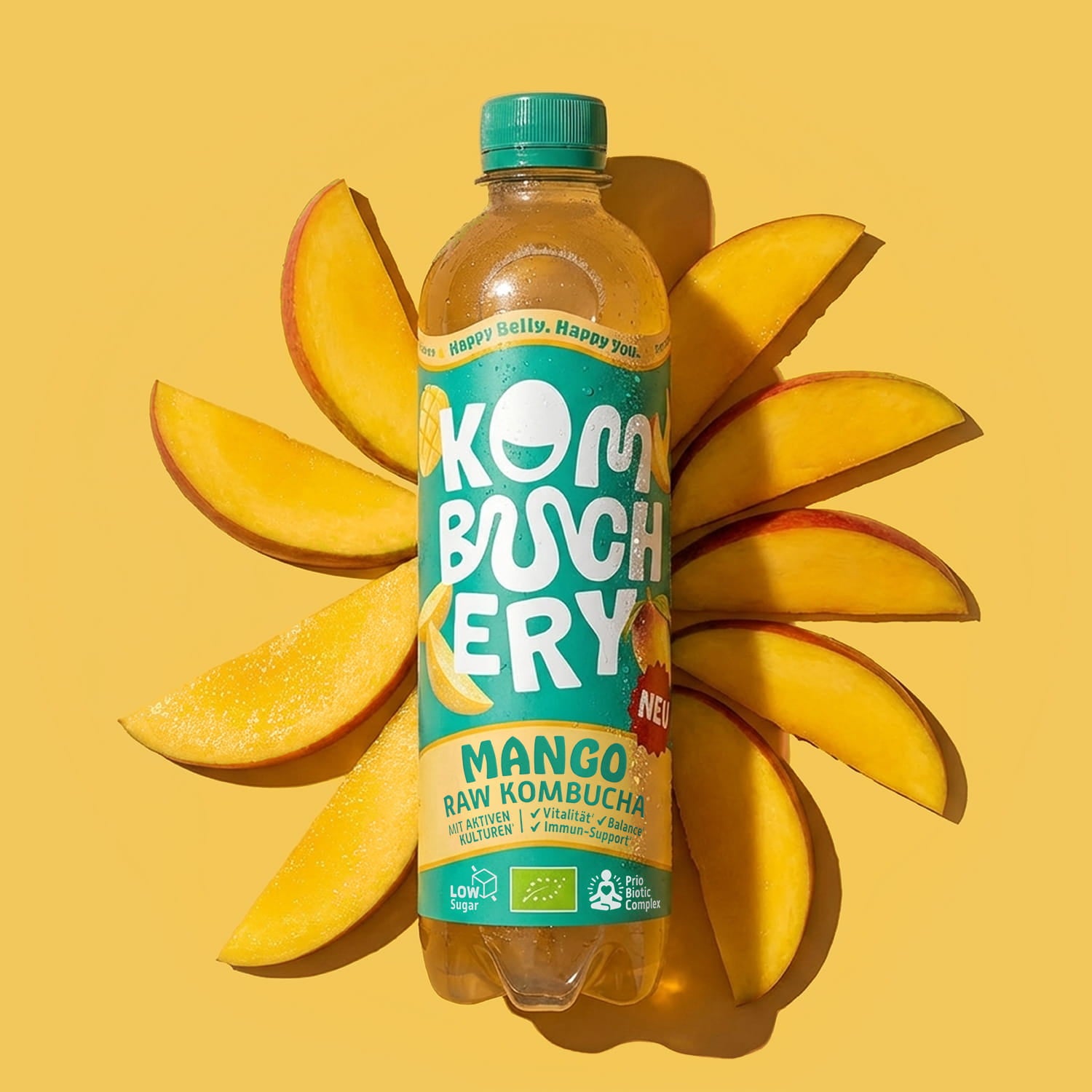
Unpasteurized kombucha can also be stored unopened under suitable conditions without necessarily having to be refrigerated at all times. This depends on the specific product. For Kombuchery Raw Kombucha, the following applies: Store unopened bottles at less than 30°C and refrigerate after opening.
After opening, oxygen and potential contaminants can affect the product quality. Therefore, close the bottle again, place it in the refrigerator, and follow the instructions on the label.
Attention: Is kombucha with added cultures automatically probiotic?
Some kombucha manufacturers pasteurize their beverage and then deliberately add selected microorganisms. However, whether a product can be described as probiotic cannot be inferred solely from the fact that certain cultures have been added. Relevant factors include, among others, the specific microorganisms, their quantity, their properties, and the scientific evidence. Furthermore, statements about health effects must comply with applicable legal requirements.
How can I tell if kombucha is no longer good?
Changes in taste or appearance can partly be caused by further fermentation in unpasteurized kombucha. Nevertheless, you should look out for possible signs of contamination.
- Mold: Fuzzy, dry patches or noticeable green, blue, or black growth may indicate mold. In this case, discard the entire batch and do not taste the beverage.
- Unusual odor: A distinctly putrid or otherwise unusual odor is a warning sign.
- Unexpected pressure: Severely bloated packaging, unusually high pressure, or vigorous overflowing can indicate pronounced secondary fermentation or a storage problem. Open the bottle carefully and keep it away from your face.
- Deviations from the product's condition: Follow the manufacturer's instructions. If you have doubts about the safety of the beverage, you should not drink it.
Individual yeast strands, sediment, or slight cloudiness can occur in unpasteurized kombucha and are not automatically a sign of spoilage. However, if you suspect mold or other noticeable changes, you should not take any risks.
Frequently asked questions about kombucha shelf life
Does kombucha always need to be refrigerated?
This depends on the product. Homemade, unpasteurized kombucha should be stored as cool as possible after bottling, as it can continue to ferment. For store-bought kombucha, follow the manufacturer's storage instructions. Some products can be stored unopened at room temperature.
Can kombucha still be drunk after the best-before date?
The best-before date is not a general safety guarantee for the time after it. Whether a product is still suitable depends on several factors, including the intended storage, the condition of the packaging, and the product itself. Follow the manufacturer's instructions and do not drink kombucha if you have doubts or notice unusual changes.
Does kombucha go bad in the refrigerator?
Kombucha does not last indefinitely in the refrigerator either. Refrigeration slows down fermentation and other changes, but does not completely prevent them. Follow the best-before date or the instructions for use after opening.
Why does unpasteurized kombucha become more sour over time?
Yeast and bacteria can remain active in unpasteurized kombucha. Under suitable conditions, they continue fermentation, which can change the taste and acidity. Refrigeration slows down this process.




Share: