




We explain which organic acids can be formed during fermentation
During the fermentation of kombucha, numerous different metabolic products can be formed. Scientific studies have described, depending on the culture and production method, organic acids, various microorganisms, components of the tea used, and other fermentation products, among others.
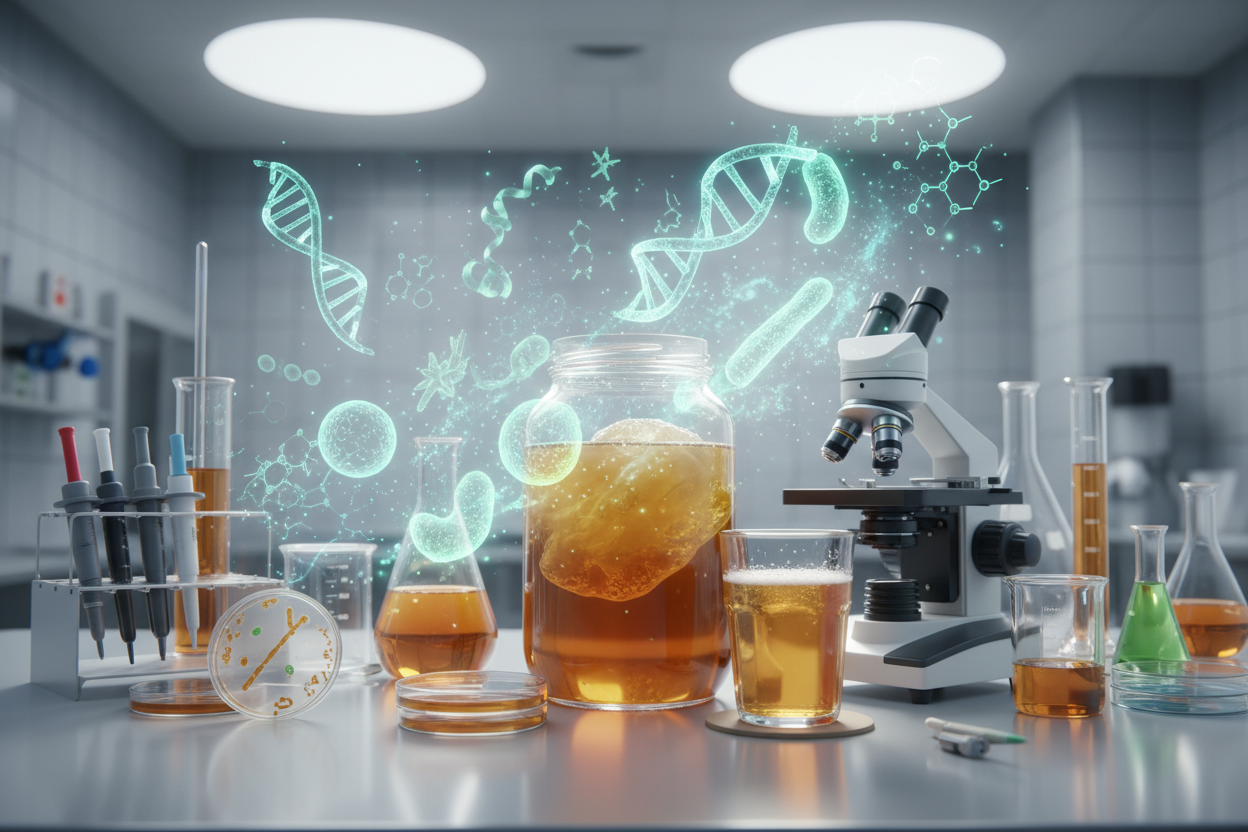
The work of the kombucha culture is particularly complex: bacteria and yeasts alter the sweetened tea, thereby influencing the composition, acidity, and taste of the finished drink.
Some organic acids that can occur during fermentation are particularly interesting. Which ones are actually present and in what concentration depends on the specific kombucha and its fermentation conditions. Let's take a closer look at some of them now.

Amino Acids
After water, proteins are the most common substances in the human body. Proteins are made up of amino acids. They are essential for building muscles, skin, and hair. They are also building blocks of the immune system and necessary for the formation of hormones and enzymes. They fulfill various transport functions in the blood and even carry genetic information.
Succinic Acid
Succinic acid occurs naturally in the human organism and is involved in various metabolic processes.
Acetic Acid
Acetic acid is one of the typical products of kombucha fermentation and contributes significantly to its characteristic sour taste. The resulting acidic environment can also inhibit the growth of certain undesirable microorganisms in food.
Folic Acid
Folic acid is a vital B vitamin and plays an extraordinarily important role in the body. It aids in the formation and regeneration of various cells and is required by all body cells for the production and repair of DNA. The body cannot produce folic acid itself and relies on a regular supply of it. Whether and in what quantity folic acid is present in a specific kombucha must, however, be determined for each product.

Glucuronic Acid
Glucuronic acid also occurs naturally in human metabolism and plays a role in various metabolic processes there. Whether and in what concentration glucuronic acid is present in a kombucha depends on the microorganisms used and the respective fermentation conditions.
Glucuronic acid in human metabolism:
In human metabolism, glucuronic acid is used, among other things, in so-called conjugation processes, through which certain endogenous and exogenous substances can be further processed and excreted.
However, this endogenous metabolic process does not mean that the intake of glucuronic acid via kombucha has a "detoxifying" effect.

Dextrorotatory Lactic Acid
Lactic acid occurs in different forms and also plays a role in human metabolism. However, sweeping statements that a certain lactic acid form fundamentally "stresses" the body or that a deficiency leads to weakened cellular respiration cannot be derived from this.
Lactic acid can be produced by lactic acid bacteria during various fermentation processes. Which lactic acid bacteria and quantities are present in a fermented food depend heavily on the cultures used and the production conditions.
Usnic Acid
Usnic acid is a naturally occurring compound, known particularly from lichens, and has been investigated in various scientific contexts. Statements about its occurrence or effect in kombucha depend on the specific product and manufacturing process examined.













Share: